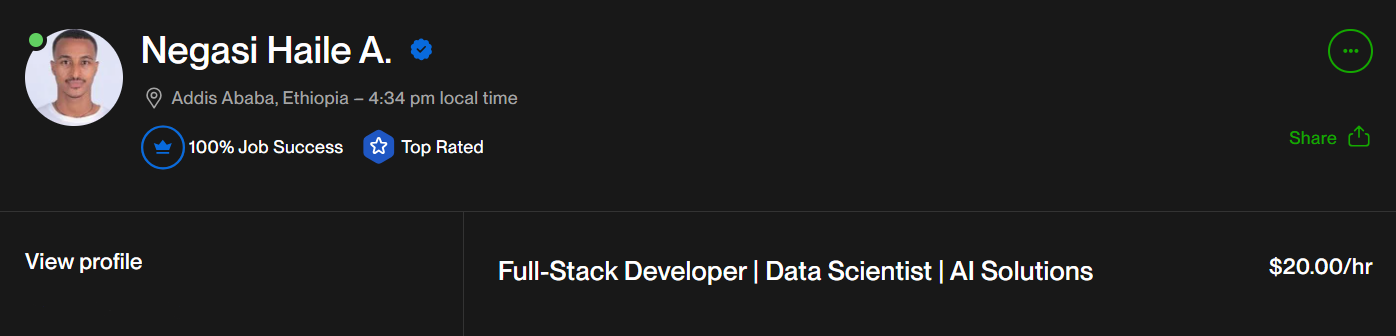
Software Engineer | Data Scientist | Researcher | Health AI | NLP
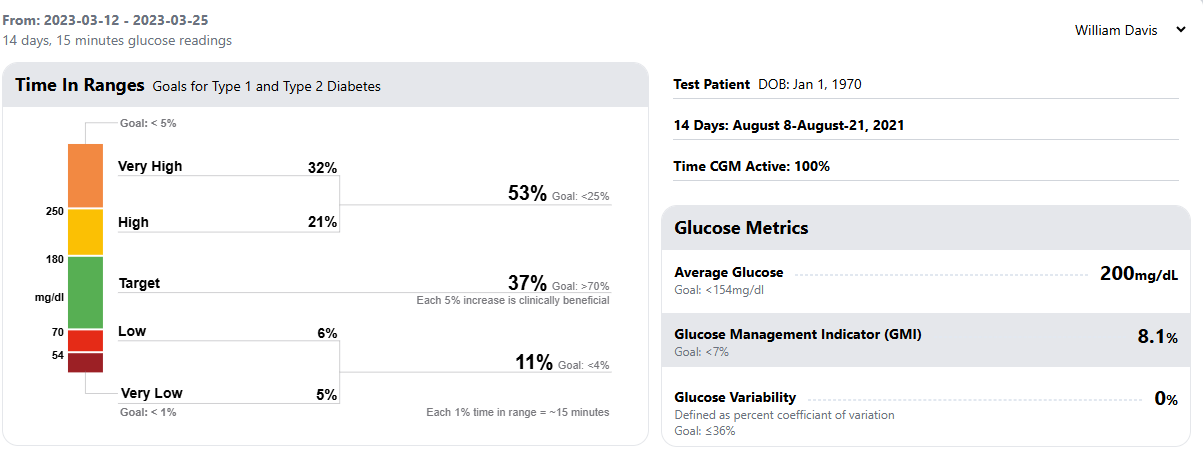
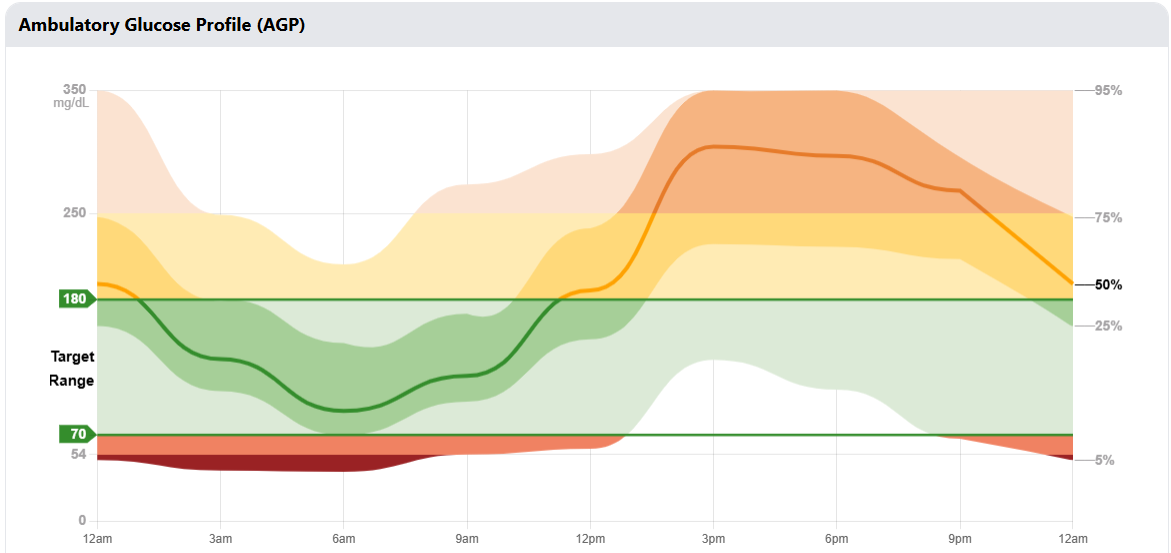
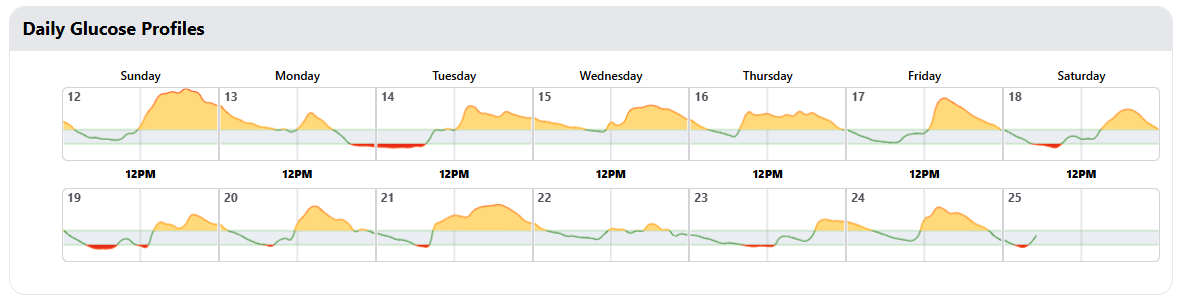
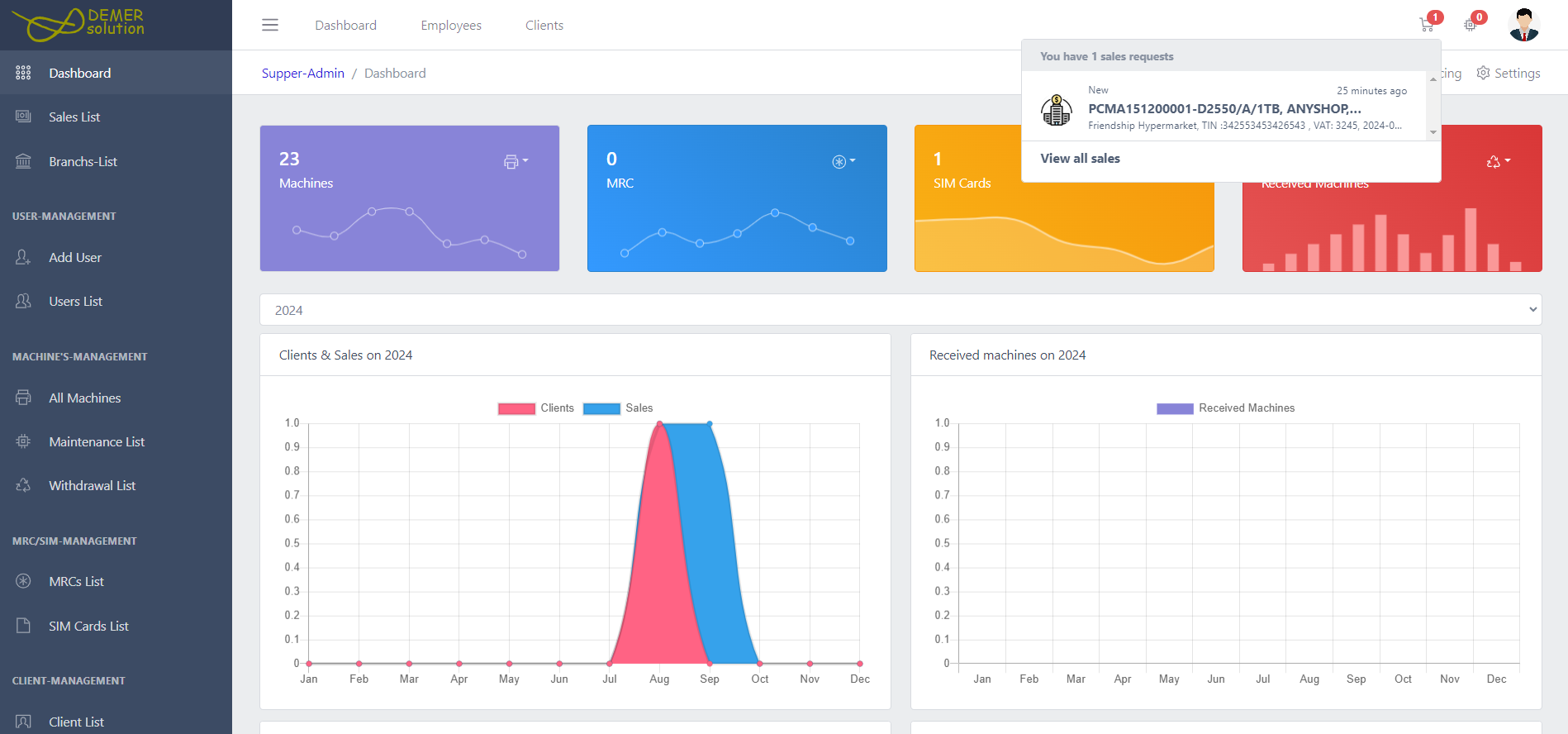
As I have worked in startups for the past 5+ years, my experience has been at the intersection of software engineering, data processing, and NLP research. As a software engineer, I have built enterprise-level applications end-to-end, from designing system architectures and implementing both frontend and backend components to deploying and maintaining production systems. My recent work includes developing a diabetes intervention system, standardizing Continuous Glucose Monitoring (CGM) data to FHIR, implementing HIPAA-compliant systems like Ambulatory Glucose Profile (AGP) reports, and designing language technology platforms for Machine Translation, Automatic Speech Recognition, and Text-to-Speech.
As a data scientist, I have worked across the full data lifecycle, from coordinating and leading field data collection teams to processing, annotating, validating, and preparing datasets for annotation and machine learning. This includes healthcare data such as large-scale chest X-ray images and clinical reports, as well as NLP data such as text corpora and speech recordings.
As a researcher, I have evaluated state-of-the-art NLP models, analyzing their capabilities, limitations, and failure modes across different domains, mainly healthcare. I have designed benchmarks, conducted systematic model evaluations, and provided targeted feedback and datasets to address identified performance gaps. Moreover, I have designed a language technology evaluation and leaderboard that also periodically benchmarks new and uncontaminated evaluation datasets across multiple domains like healthcare (patient-doctor communication).
GitHub contiribution
Pinned Datasets
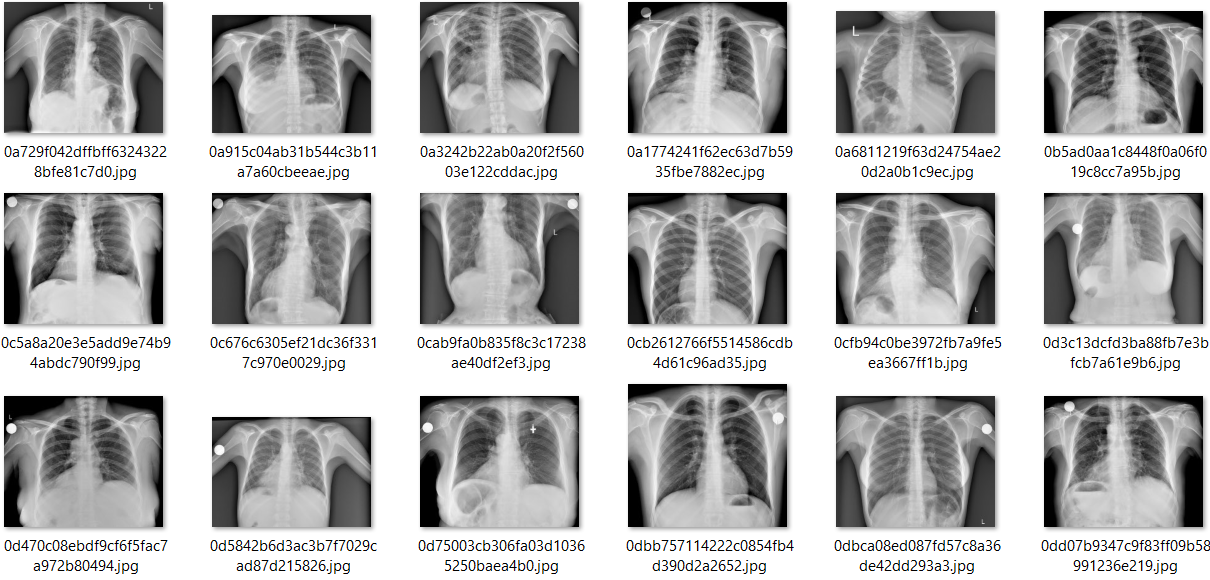
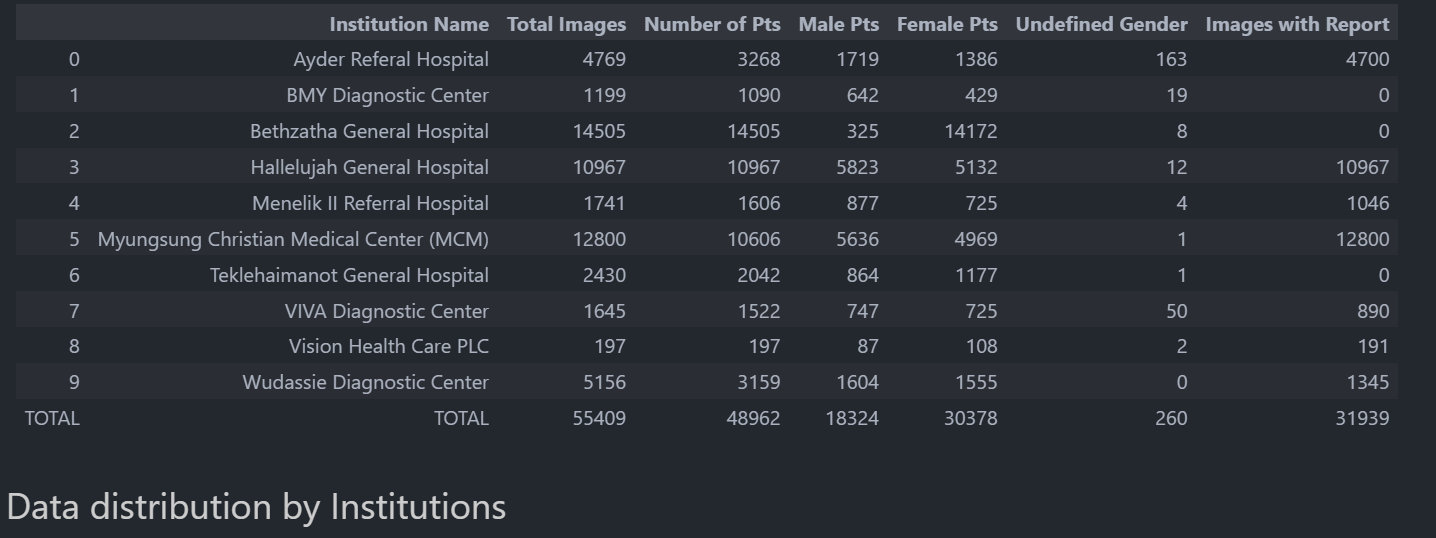
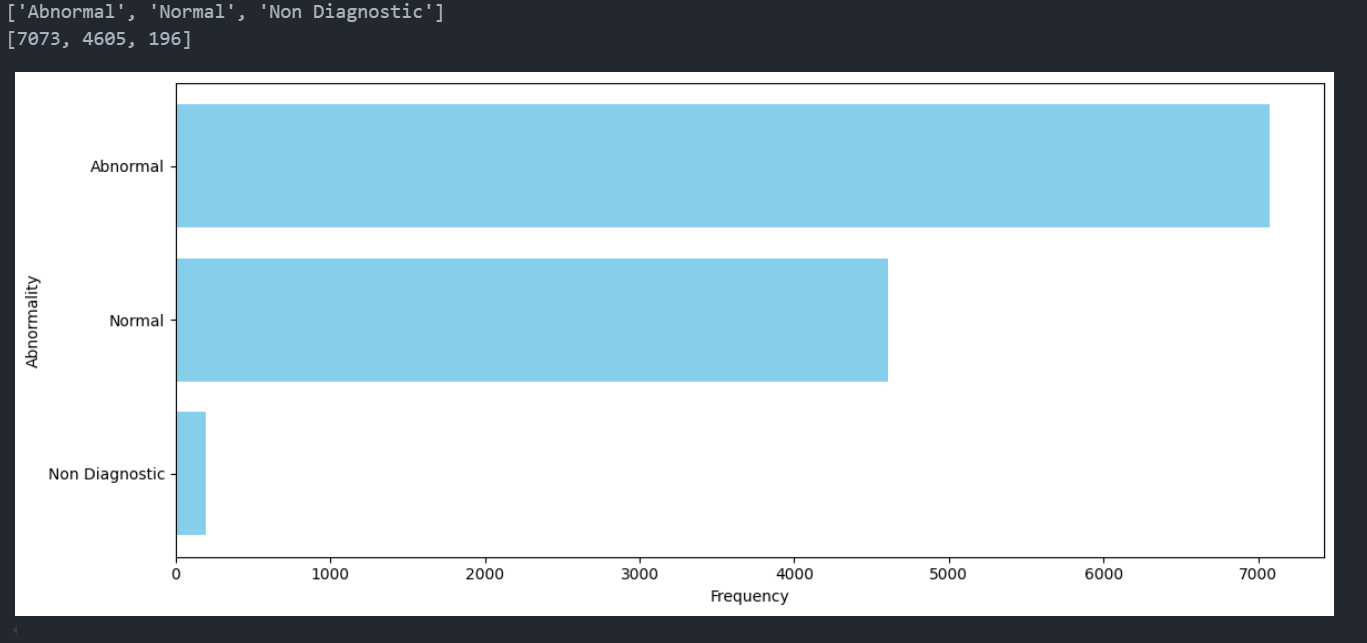
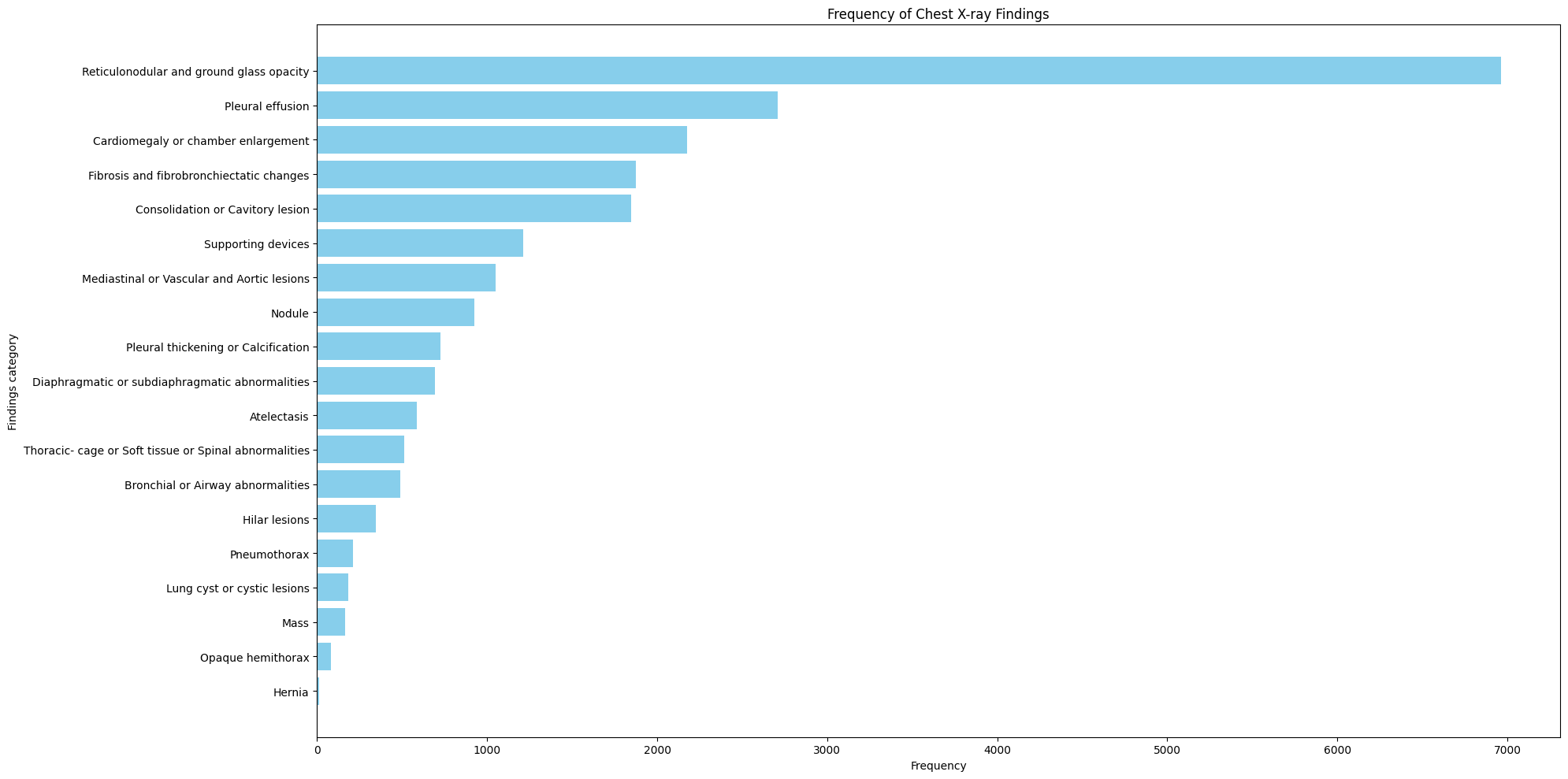
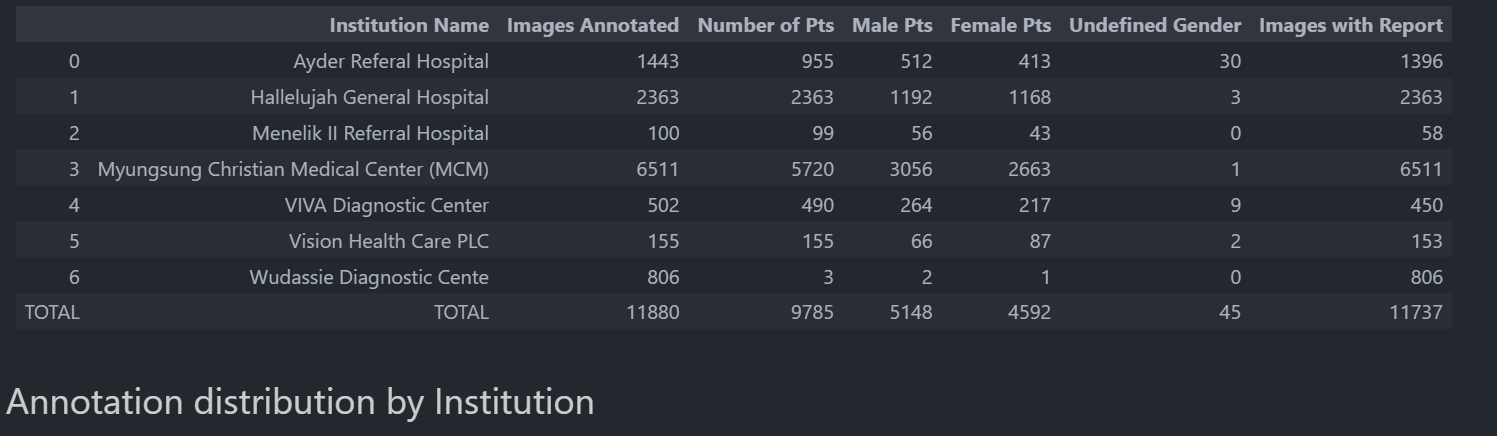
A large-scale chest X-ray imaging dataset from 11 Ethiopian healthcare institutions with 55,409 valid images. Of these, 29,725 include clinical reports and 11,880 are human-annotated by 10 board-certified radiologists.
I led the dataset collection lifecycle by creating and coordinating the collection and annotation teams in each institution, and by processing and anonymizing the raw data into a machine-learning-ready format.
Pinned Publications
See all publicationsEMNLP 2025
Published
In this work, we analyze the performance of publicly available Machine Translation tools for errors in medical translation and test two pre and post-translation interventions for their effectiveness in reducing clinical harm. We focus on two low resourced languages: Amharic and Tigrinya.
We find that MT errors for healthcare most commonly happen when the source sentence includes: medical terminology, synonyms, figurative language, and descriptions of medical procedures. We find that pre and post-translation interventions are not effective in reducing clinical harm if the base translation model performs poorly.
Paper Writing
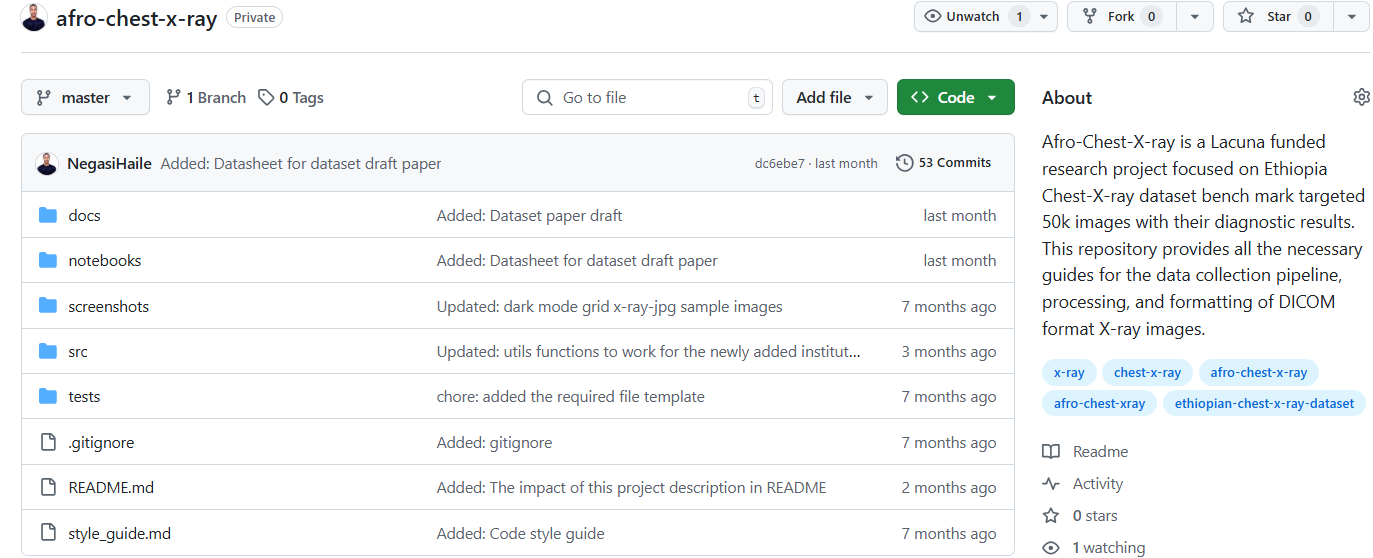
The Chest X-ray Imaging Dataset for Multiple Cardio-respiratory Diseases in Ethiopia (Afro Chest X-ray for short) is a project funded by the LacunaFund whose aim is to close the gap in health disparities by fostering interdisciplinary collaborations that create, expand, or aggregate labeled training and evaluation datasets.
Cardio-respiratory diseases (cardiovascular and respiratory diseases) are recognized as serious, worldwide public health concerns that have remained among the leading causes of death globally. There are not many publicly available datasets from Africa making it difficult to determine whether tools and techniques developed in other geographies are as effective in our context. In this project, we propose to create a labeled chest X-ray dataset for multiple cardio respiratory diseases in Ethiopia. We will publish the dataset as open source. We believe this dataset will stimulate researchers and practitioners in Africa and beyond to push the limits of current methods to adapt them to the African context and build assistive technologies that could empower the scarce radiologists.
Pinned Projects
See all projectsSignificant progress has been made in publicly available chest X-ray datasets for machine learning applications. However, most existing datasets are collected from limited regions, often excluding African representation.
To address this gap, we curated a dataset of 55,409 chest X-ray images from 48,962 patients, including 18,324 males, 30,387 females, and 260 individuals with undefined gender , retrospectively collected from 10 healthcare institutions in Ethiopia studied between 2015 and 2024 . The dataset includes 31,939 images paired with corresponding radiology reports and 11,806 manually annotated images by 11 radiology experts using a blinded review process. The annotations focus on localized findings, which are particularly relevant for regional disease patterns. This dataset, presented both in JPG and DICOM format along with patient demographics and machine-readable radiology reports, provides a novel resource for developing machine-learning models tailored to underrepresented populations. This study aims to enhance global diagnostic accuracy and foster equitable chest diagnosis advancements by addressing gaps in chest X-ray data diversity and geographical representation.
In this project my role includes:
• Leading the data collection team.
• Preparing data collection guidelines based on the healthcare institutions data management challenges.
• Preprocessing and standardizing the data into final forms.
• Developing annotation tools, creating annotation guidelines, and training/assisting radiologists with the annotation process.
• Analyzing the annotated data and creating a baseline model.
The dataset will be released very soon. We are currently writing the dataset paper. Stay tuned!
Health
ERP
AI Hub
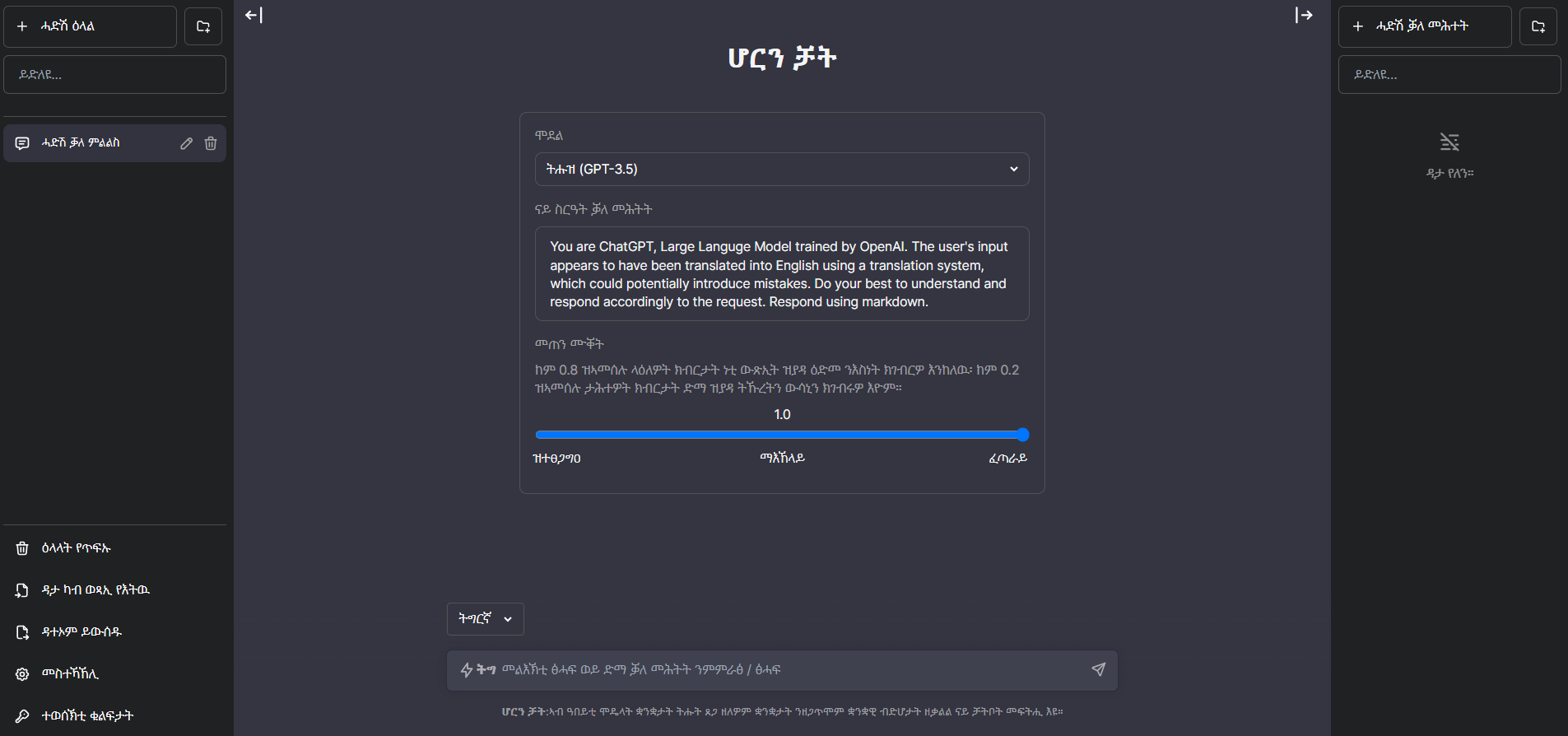
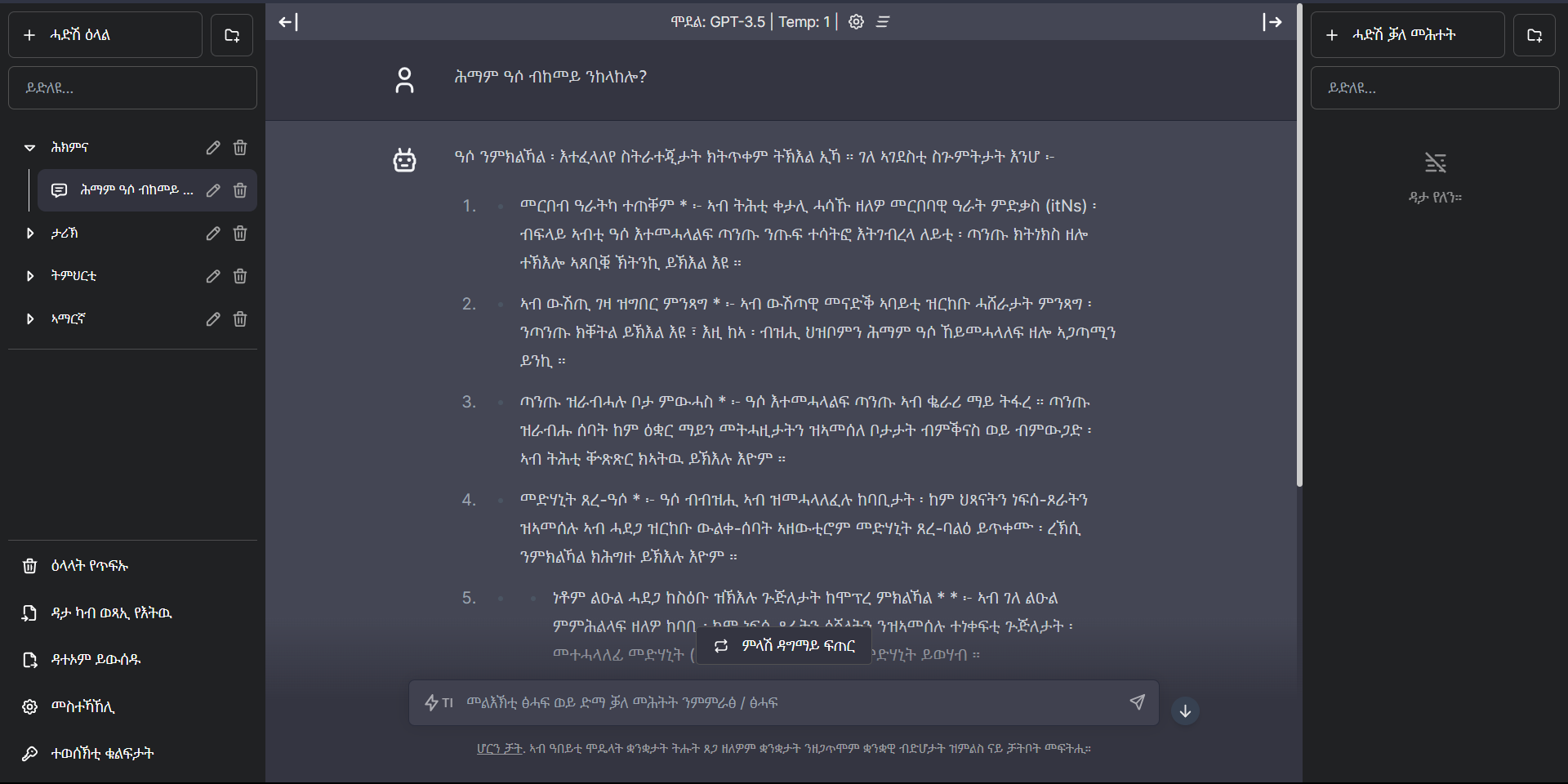
Chat bot
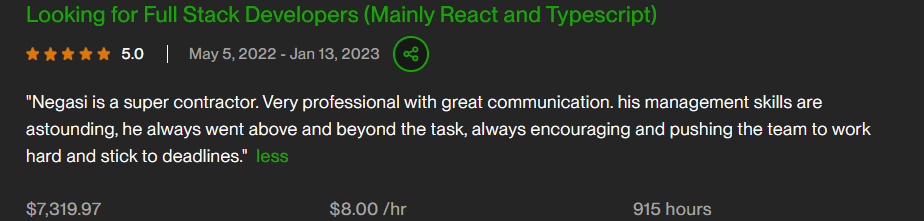
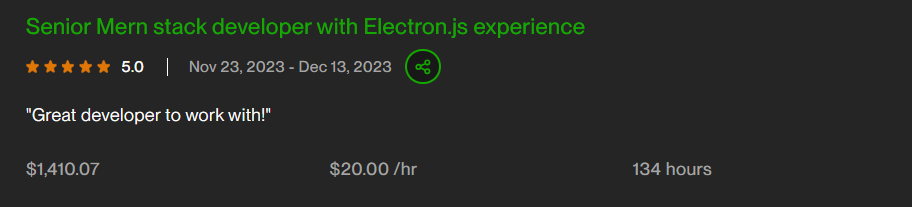
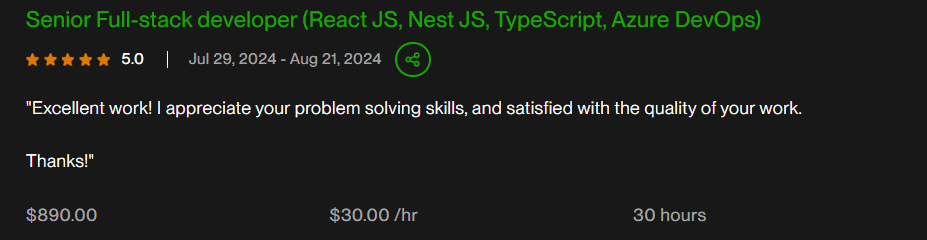
UpWork Testmonials